Where cooling helps

Cooling the lower limb is an established part of equine veterinary care. Cold reduces heat and swelling and slows the processes that follow strain or injury. Working down the leg, here is where it is used and which piece covers each zone.

Equigenics products apply cooling; they do not replace veterinary diagnosis or treatment. Always involve your vet.
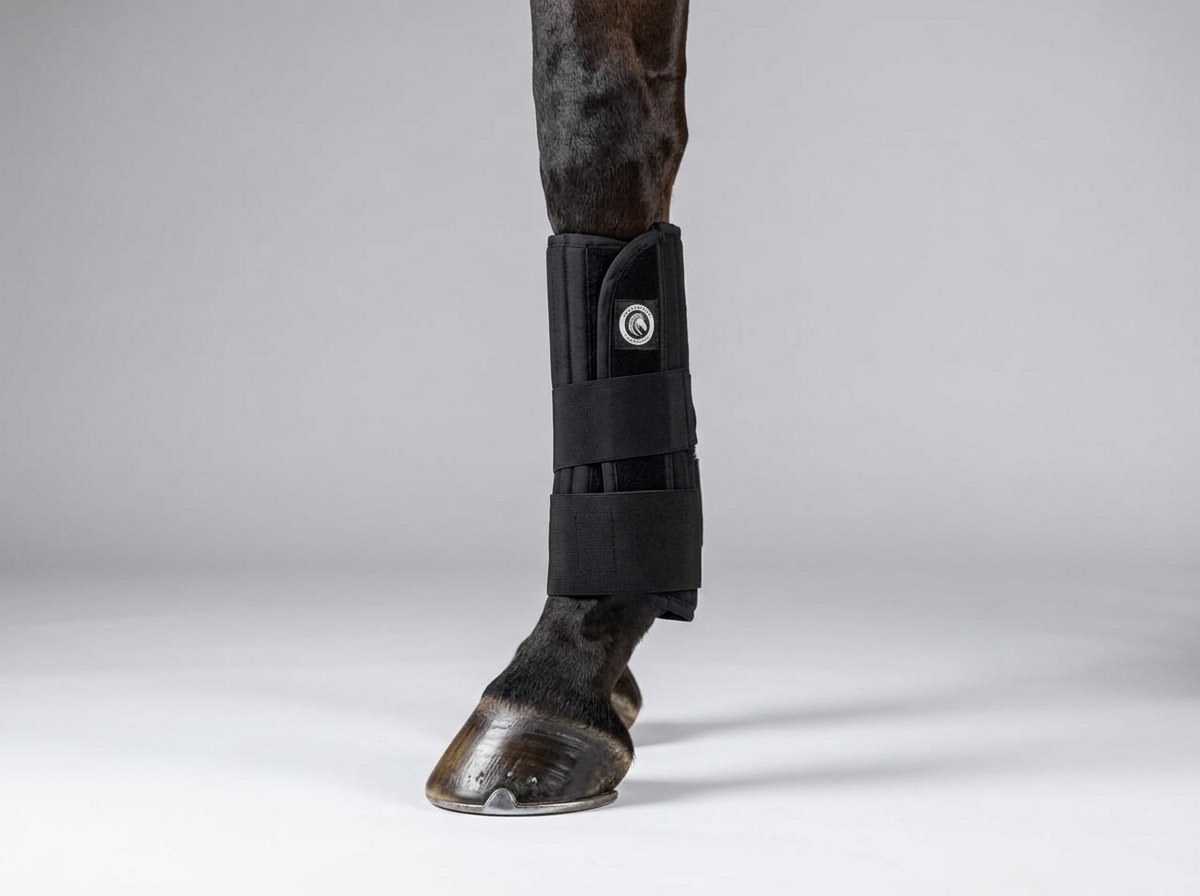
Equigenics leg wrap on the cannon

The leg wrap covers the cannon and tendons, from below the knee to the fetlock. Sessions of up to 20 minutes.
Cannon and tendons

Leg wrap
  • Post-exercise coolingRoutine cooling after intense training or competition, before any problem appears.
  • Tendon strain ("bowed tendon")Early cooling limits heat and swelling along the back of the cannon.
  • Deep flexor tendon inflammationCooling along the line of the tendon.
  • Suspensory ligament strainCooling over the origin, body or branches when heat and swelling appear.
  • Check ligament strainLocalised cooling of the upper cannon region.
  • Popped splintsCooling over the splint bone region during the acute phase.
  • Sore shinsCooling the front of the cannon in young horses in hard training.
  • Cellulitis and lymphangitisAlongside veterinary treatment, cooling helps manage the warm, severe swelling these infections cause.
  • Stocking up (filled legs)Cooling to help clear fluid that pools during stable confinement.
  • Knocks and kicksPrompt cooling limits bleeding and swelling under the skin.

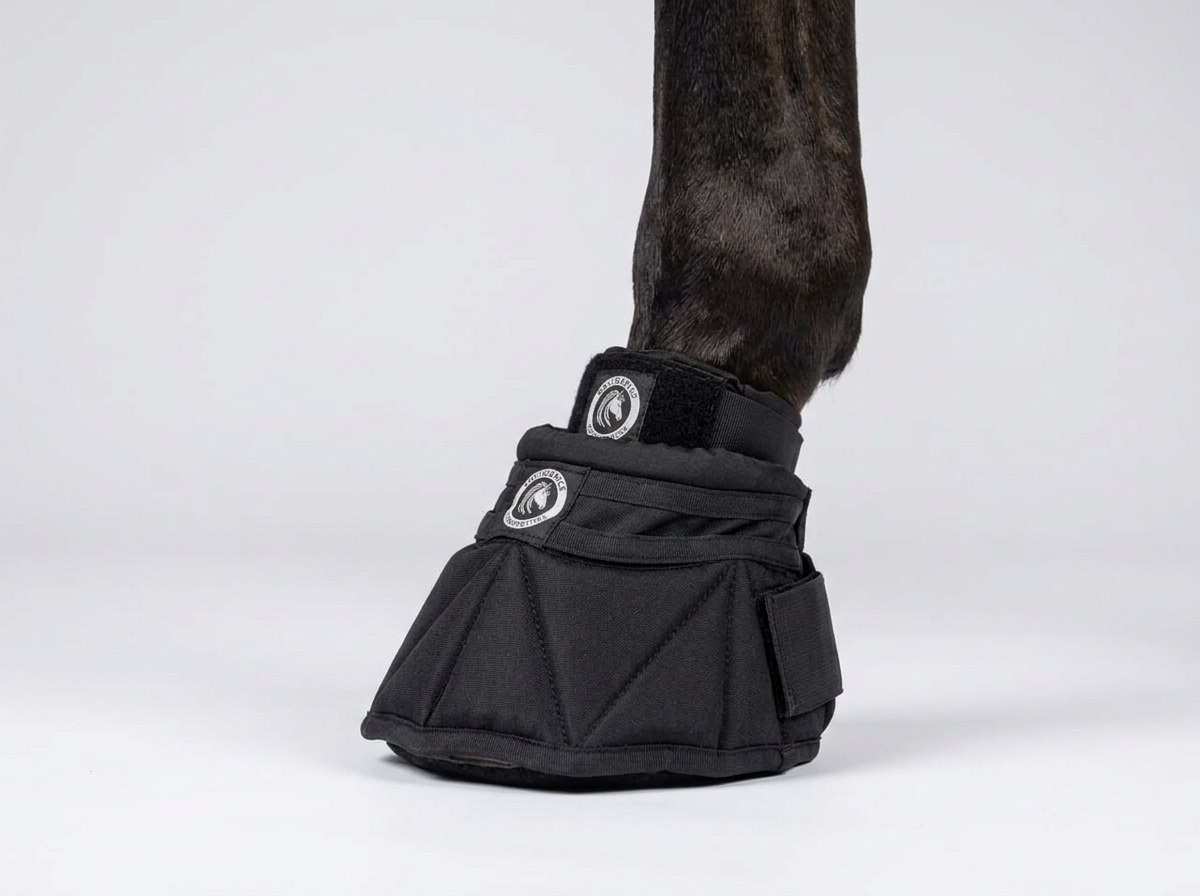
Equigenics hoof boot covering hoof and pastern

The hoof boot covers the hoof and reaches up over the pastern, with the hoof wall kept dry. Sessions of up to 2 hours.

Fetlock and pastern

Hoof boot
  • Joint flare-ups and arthritisCooling calms heat and swelling in the fetlock, pastern and coffin joints.
  • Joint swelling after hard groundCooling after hyperextension or firm surfaces.
  • Sesamoid inflammationCooling around the back of the fetlock.
  • WindpuffsCooling to limit heat and fluid build-up around the fetlock and pastern.
  • Ringbone flare-upsCooling around the pastern and coffin joint when warm and sore.

The hoof

Hoof boot
  • Laminitis managementVets cool the hoof in horses at risk and during an acute episode. The boot applies that cooling with the hoof wall kept dry; standing in ice water softens the hoof and opens the way for bacteria and fungi.
  • Sole bruisingCooling eases throbbing and internal bleeding inside the hoof capsule.
  • Hoof abscessesAfter drainage, cooling helps manage throbbing and local heat.
  • After surgeryCooling manages swelling and discomfort at the surgical site, as directed by the surgeon.

Using the system well

• Leg wraps: sessions of up to 20 minutes.

• Hoof boots: sessions of up to 2 hours.

• Let the tissue warm up between sessions: typically 30 minutes to a few hours, as your vet recommends.

• Do not over-ice. Too long or too often without breaks can damage skin and underlying tissue.

• Tie the horse up while hoof boots are fitted, so a loose boot cannot be stood on and damaged.

• For laminitis in particular, use the system as part of a vet-led management plan.

Ready when your horse needs it

Pre-order now